Daily Water Intake Calculator
Calculate how much water you should drink each day based on your body weight, activity level, and climate.
Calculate Your Daily Water Intake
Understanding Your Daily Water Intake Needs
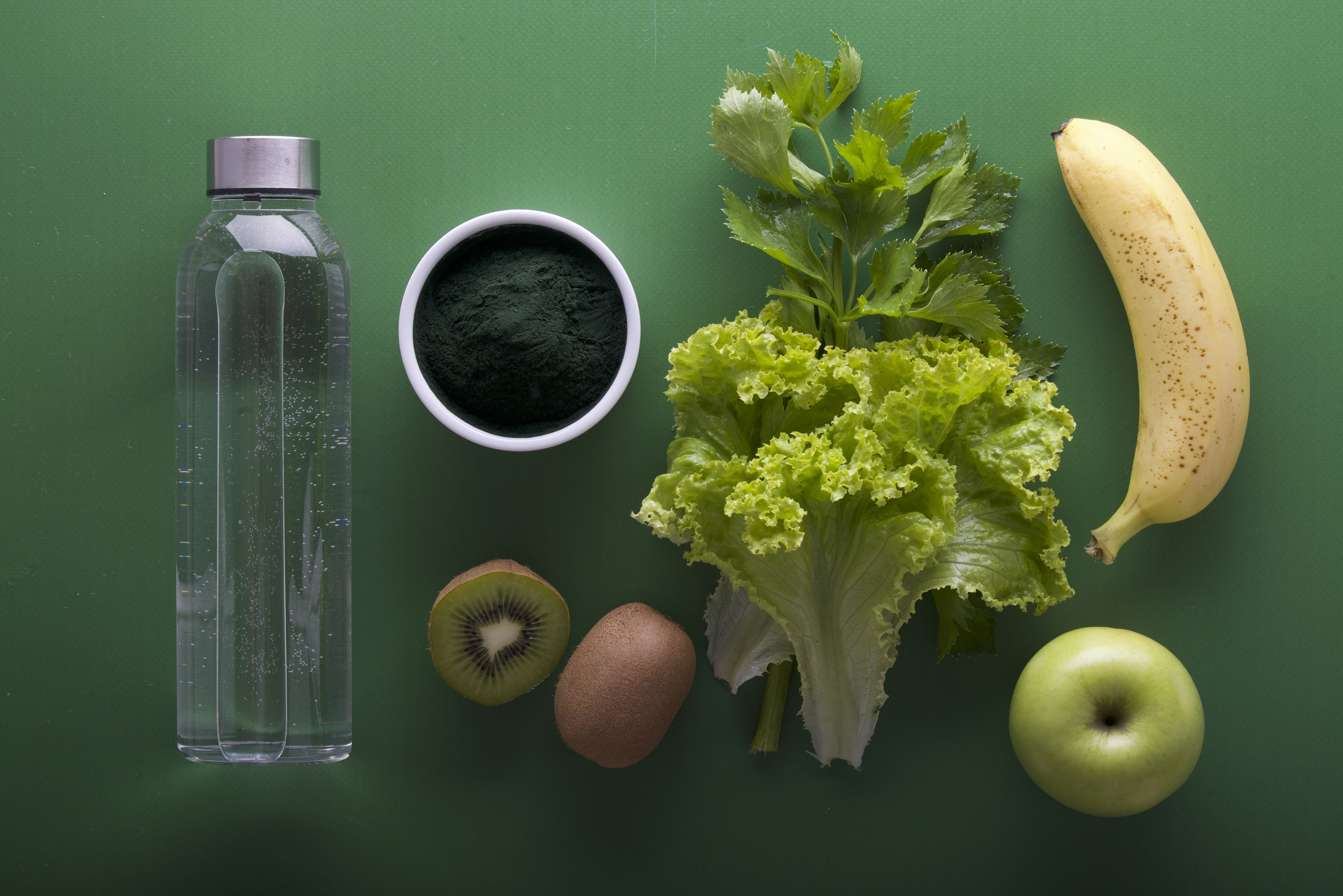
Why Proper Hydration Matters
Water is essential for virtually all bodily functions. It regulates body temperature, lubricates joints, delivers nutrients to cells, and helps remove waste products. Proper hydration also:
- Improves physical performance
- Enhances cognitive function
- Supports kidney function
- Helps maintain healthy skin
- Aids in digestion and prevents constipation
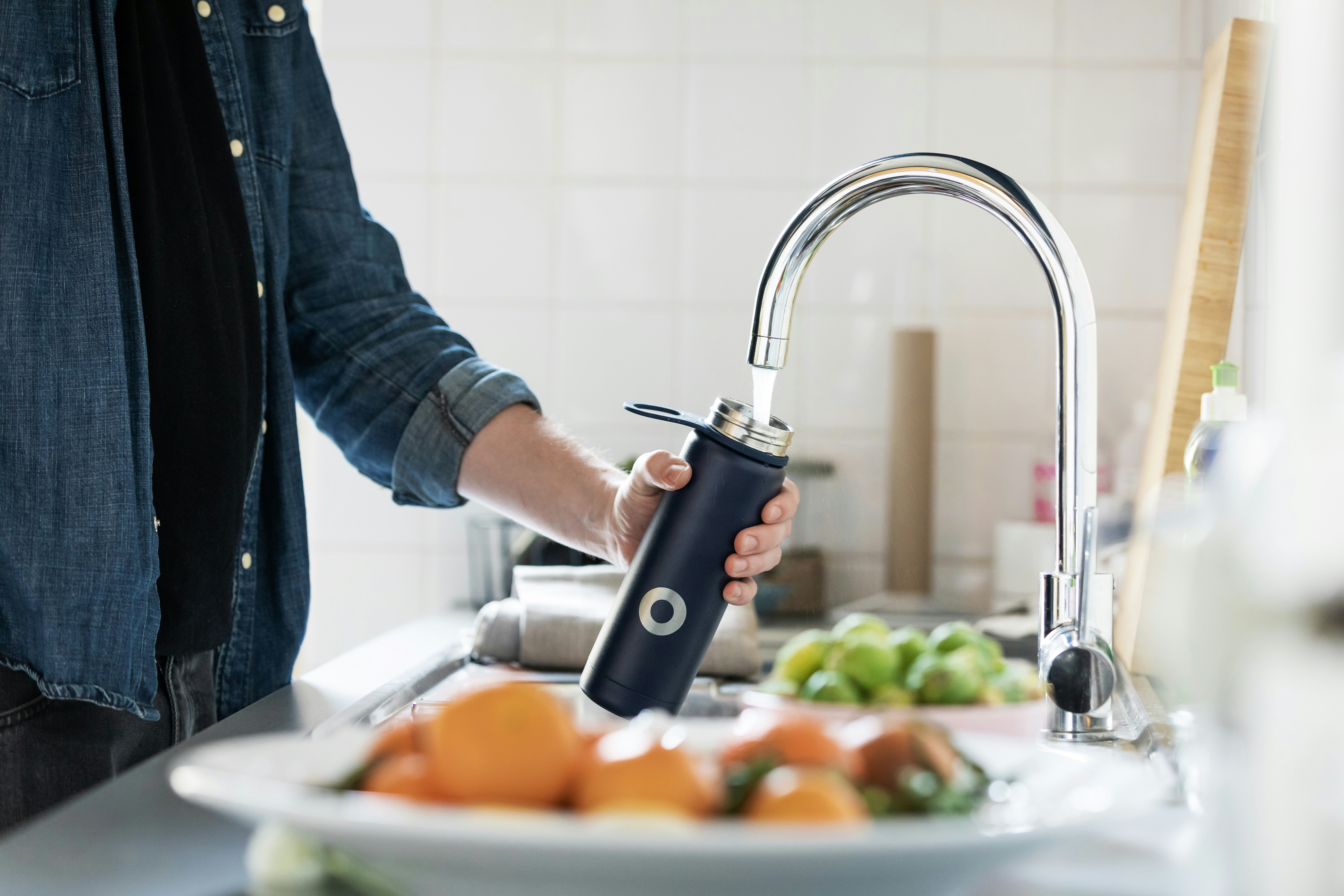
Signs of Dehydration
Recognizing dehydration early is important. Common signs include:
- Thirst and dry mouth
- Dark yellow urine
- Fatigue and dizziness
- Headaches
- Dry skin and lips
- Decreased urination
- Confusion (in severe cases)
If you experience these symptoms, increase your water intake and consult a healthcare professional if symptoms persist.
Factors Affecting Water Needs
Body Weight
Larger bodies generally require more water. The standard formula uses 30-35ml per kg of body weight as a baseline.
Physical Activity
Exercise and physical exertion increase water loss through sweat. For every hour of moderate activity, you should drink an additional 0.5-1L of water.
Climate
Hot and humid environments cause increased water loss through perspiration. Cold environments can mask dehydration as sweat evaporates quickly.
Medications & Health
Certain medications and health conditions can affect hydration needs. Diuretics, for example, increase water loss.
Age
Older adults often have a diminished sense of thirst and may need to consciously drink more water. Children require proportionally more water than adults.
Pregnancy & Breastfeeding
Pregnant and breastfeeding women need additional fluid intake to support the baby's development and milk production.
Tips for Staying Properly Hydrated
-
Carry a reusable water bottle
Having water readily available makes it easier to drink regularly throughout the day.
-
Set reminders
Use alarms or apps to remind you to drink water at regular intervals.
-
Flavor your water
Add fresh fruit, cucumber, or herbs to make water more appealing.
-
Eat water-rich foods
Watermelon, cucumber, strawberries, and lettuce contain high water content.
-
Track your intake
Keep a log of how much water you drink to ensure you're meeting your daily goals.
Common Hydration Myths Debunked
Myth: Everyone needs 8 glasses of water per day
Fact: Water needs vary widely based on individual factors like weight, activity level, climate, and overall health. The "8x8" rule (eight 8-ounce glasses) is not backed by scientific evidence as a universal recommendation.
Myth: Thirst is not a reliable indicator of hydration
Fact: For most healthy adults, thirst is actually a reliable early indicator that your body needs water. However, older adults and some athletes may have diminished thirst responses and should be more proactive about hydration.
Myth: Coffee and tea dehydrate you
Fact: While caffeine has a mild diuretic effect, moderate consumption of caffeinated beverages like coffee and tea still contributes positively to your daily fluid intake. Research shows that regular coffee drinkers develop a tolerance to caffeine's diuretic effects.
Myth: You can't drink too much water
Fact: While uncommon, water intoxication (hyponatremia) can occur from excessive water consumption, which dilutes sodium levels in the blood. This is rare in healthy individuals but can happen during intense endurance activities when large quantities of water are consumed without electrolyte replacement.
Scientific References & Further Reading
Medical Research
- Zhang, N., et al. (2021). "Water Intake and Cognitive Performance: A Systematic Research Review". Journal of Human Nutrition and Dietetics
- Popkin, B.M., et al. (2010). "Water, Hydration and Health". Nutrition Reviews
- Armstrong, L.E., et al. (2018). "Rehydration and Recovery after Exercise". Journal of the American College of Nutrition
Frequently Asked Questions
Can drinking water help with weight loss?
Yes, water can aid weight loss in several ways. Drinking water increases satiety, slightly boosts metabolism, and helps burn more calories. Research shows that drinking about 500ml of water about 30 minutes before meals can help reduce calorie intake. Additionally, people sometimes confuse thirst with hunger, so staying hydrated can prevent unnecessary snacking.
How does hydration affect athletic performance?
Proper hydration is crucial for optimal athletic performance. Even mild dehydration (2% of body weight) can impair physical performance, reduce endurance, increase perceived effort, and impair temperature regulation. Athletes should begin exercise well-hydrated and replace fluids lost during activity. For longer or more intense activities, sports drinks with electrolytes may be beneficial.
Does drinking water improve skin health?
Adequate hydration is important for skin health as it helps maintain skin elasticity and appearance. While drinking water alone won't eliminate wrinkles or severe skin conditions, dehydration can make skin appear more dry, flaky, and prone to showing fine lines. For optimal skin health, combine proper hydration with a good skincare routine, sun protection, and a healthy diet.
Do other beverages count toward daily water intake?
Yes, most beverages contribute to your daily fluid intake, including coffee, tea, milk, juice, and even foods with high water content (like fruits and vegetables). However, water is still the best choice for hydration as it's calorie-free, sugar-free, and doesn't contain caffeine or alcohol, which can have mild diuretic effects.